
The Importance of Second Opinions
Why seeking a second pathology review and specialized oncology consultation is essential for rare cancer patients.
If you or someone you love has been diagnosed with a rare cancer like neuroendocrine carcinoma, here is a golden rule of oncology: A second opinion is not optional—it is essential.
Many patients hesitate to seek a second opinion. They worry about delaying urgent treatment, causing friction with their current physician, or appearing distrustful. But reputable oncologists not only welcome second opinions; they actively encourage them. Oncology is an extraordinarily complex, rapidly evolving discipline, and no single doctor can know every nuance of rare malignancies.
Here is why second opinions are particularly indispensable in neuroendocrine cancer:
1. Pathology Re-Evaluation
Pathology is the cornerstone of cancer diagnosis, yet high-grade neuroendocrine carcinoma is among the most notoriously difficult diseases to classify. Studies show that when tumor biopsies from rare cancer patients are sent to specialized academic centers for a second pathology review:
- The Ki-67 proliferation index is frequently re-calculated.
- Differentiation status may be re-classified (for example, distinguishing a high-grade well-differentiated NET from a poorly differentiated NEC).
- Staining for neuroendocrine markers (synaptophysin, chromogranin A, INSM1) is verified. A slight change in pathological classification completely alters the recommended treatment regimen.
2. Access to Multidisciplinary Tumor Boards
At high-volume academic institutions, your case is reviewed by a specialized tumor board—a collaborative panel featuring medical oncologists, surgical oncologists, nuclear medicine specialists, radiation oncologists, and pathologists who focus exclusively on neuroendocrine neoplasms.
3. Clinical Trial Availability
Local community hospitals may not have active trials for rare carcinomas. Academic cancer centers often run Phase I, II, and III clinical trials testing novel targeted agents, bispecific antibodies, or cellular immunotherapies.
How to Get a Second Opinion Quickly
Thanks to telehealth expansions, many leading cancer institutes (such as MD Anderson, Mayo Clinic, Memorial Sloan Kettering, and Dana-Farber) offer remote second opinions where their experts review your medical records and pathology slides without requiring you to travel.
Seeking a second opinion is not about second-guessing; it is about securing clarity, peace of mind, and the most accurate medical path forward.
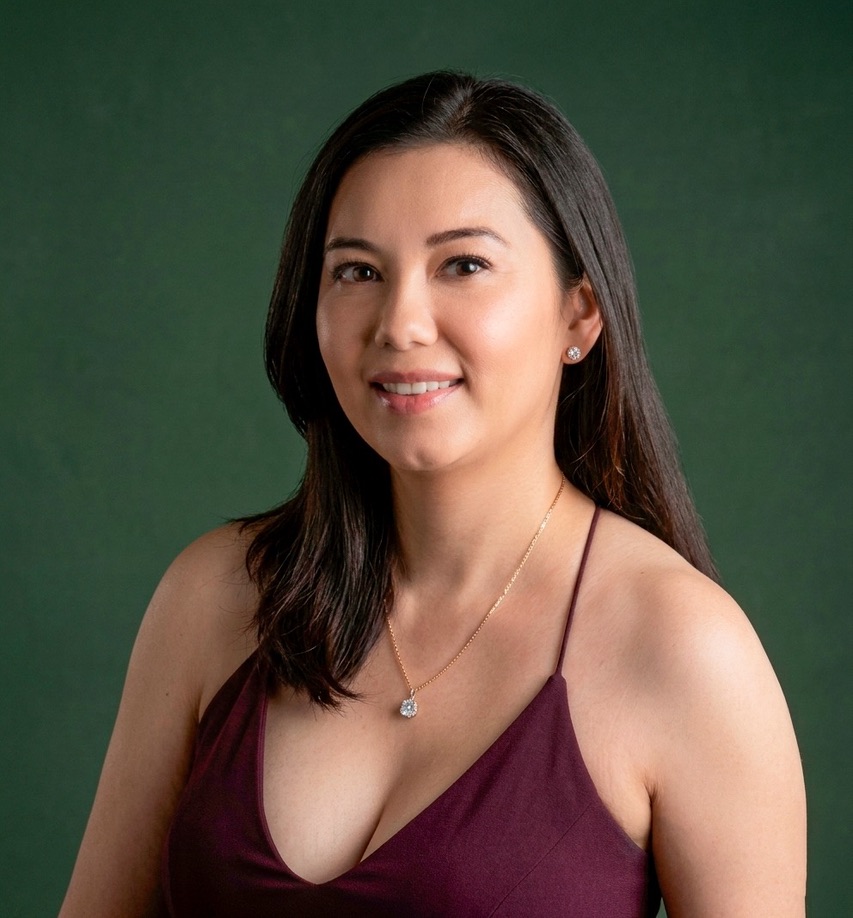
Ana Carolina Medina Castillo
September 5, 1992 – 2026 • Monterrey, MX & Arlington, TX
Registered Nurse (BSN, UT Arlington), devoted mother of Eliana, Elias, and Elaina, and beloved wife of Josue Negron. Her courage and grace continue to guide this platform to ensure no family faces neuroendocrine carcinoma alone.