
Pediatric & Young Adult NETs/NECs
Examining the unique medical and social hurdles faced by adolescent and young adult (AYA) patients with rare cancers.
Cancer is often perceived as an illness of older age, and statistically, the majority of cancer diagnoses do occur in patients over sixty. But when neuroendocrine neoplasms strike children, adolescents, and young adults (AYAs), they present a distinct set of medical, biological, and psychosocial challenges that demand specialized attention.
Ana was just thirty-one years old when she faced high-grade neuroendocrine carcinoma. Being an AYA cancer patient places you in a difficult, isolating middle ground:
- Diagnostic Delay in Young Patients: Because young adults are generally presumed healthy, persistent symptoms are frequently dismissed by primary care clinicians as stress, sports injuries, hormonal shifts, or postpartum changes. This leads to longer diagnostic delays and higher rates of advanced-stage disease at discovery.
- Aggressive Biology: Emerging research suggests that neuroendocrine tumors arising in younger patients may harbor unique genomic profiles, sometimes exhibiting more aggressive behavior requiring specialized multi-agent chemotherapy regimens and urgent interventions.
- Complex Life Stages: Young adults are often at pivotal crossroads—building careers, raising young toddlers, managing early mortgages, or planning families. Enduring chemotherapy while caring for young children like Eliana, Elias, and Elaina requires an extraordinary degree of physical, mental, and emotional stamina.
- Fertility and Survivorship Concerns: Chemotherapy and pelvic radiation can threaten future fertility, yet discussions regarding fertility preservation often get overlooked when an aggressive high-grade diagnosis demands immediate therapy.
In addition to physical concerns, the social isolation experienced by young adult cancer patients is profound. While peers are advancing careers, traveling, and celebrating milestones, young cancer patients are thrust into infusion suites surrounded mostly by patients decades older than them.
Organizations dedicated to AYA oncology—alongside neuroendocrine groups like NETRF and LACNETS—are working to close these critical gaps. They advocate for clinical trials that include younger cohorts and provide age-appropriate counseling for families navigating young parenthood through serious illness.
Recognizing that young people can and do get aggressive neuroendocrine carcinomas is vital. If a young adult in your life has persistent, unexplained symptoms, encourage them to advocate for thorough evaluations. Youth is not an immunity shield against rare cancer.
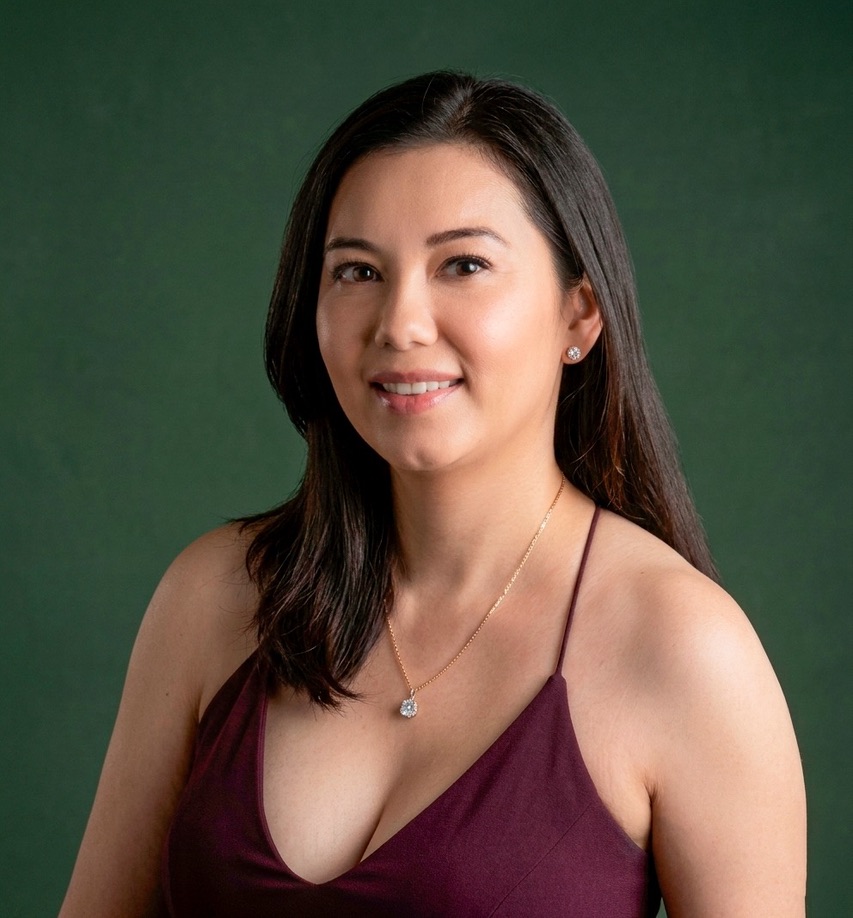
Ana Carolina Medina Castillo
September 5, 1992 – 2026 • Monterrey, MX & Arlington, TX
Registered Nurse (BSN, UT Arlington), devoted mother of Eliana, Elias, and Elaina, and beloved wife of Josue Negron. Her courage and grace continue to guide this platform to ensure no family faces neuroendocrine carcinoma alone.