
Survivorship and Life After Treatment
Understanding the complex realities of life during and after cancer treatment: chronic side effects and scan surveillance.
In popular culture, the end of cancer treatment is often depicted as a triumphant ringing of a clinic bell, followed by an immediate return to ordinary life. But for those in the neuroendocrine cancer community, the reality of survivorship is far more intricate, layered, and ongoing.
For many neuroendocrine patients, cancer is not a one-time event with a clear finish line; it is a chronic or recurrent condition that requires lifelong vigilance. Survivorship involves adjusting to what many in the community call the ‘new normal.’
Key facets of neuroendocrine survivorship include:
- Managing Chronic Physical Side Effects: Long-term chemotherapy, radiation, and surgeries leave lasting physical imprints. Patients frequently manage chronic peripheral neuropathy (numbness or tingling in fingers and feet), chemotherapy-induced cognitive fog, gastrointestinal malabsorption, and lingering fatigue that requires pacing daily activities.
- Endocrine and Nutritional Maintenance: When neuroendocrine tumors affect the pancreas, bowel, or stomach, patients often require lifelong enzyme replacement therapy (such as Creon) and meticulous nutritional guidance to maintain weight and absorb vital nutrients effectively.
- Surveillance Scans and Lifelong Monitoring: Even after achieving surgical remission or stable disease, patients must undergo regular cross-sectional imaging (CT, MRI) and PET scans every three to six months. Learning to live between three-month scans without being paralyzed by anxiety is an ongoing psychological discipline that requires tremendous emotional resilience.
- Rebuilding Identity and Purpose: Surviving intensive cancer therapy reshapes how a person views time, relationships, and priorities. Many patients find profound healing by turning toward advocacy, mentoring newly diagnosed individuals, or championing research funding.
Families and caregivers must also navigate survivorship together. When active treatments slow down, the adrenaline that kept everyone moving during the initial crisis fades, often leaving grief and exhaustion in its wake.
Honoring the full cancer journey means recognizing that healing extends far beyond physical tumor response. It means providing long-term emotional, financial, and clinical support so patients can not only survive, but genuinely live with joy, dignity, and renewed purpose.
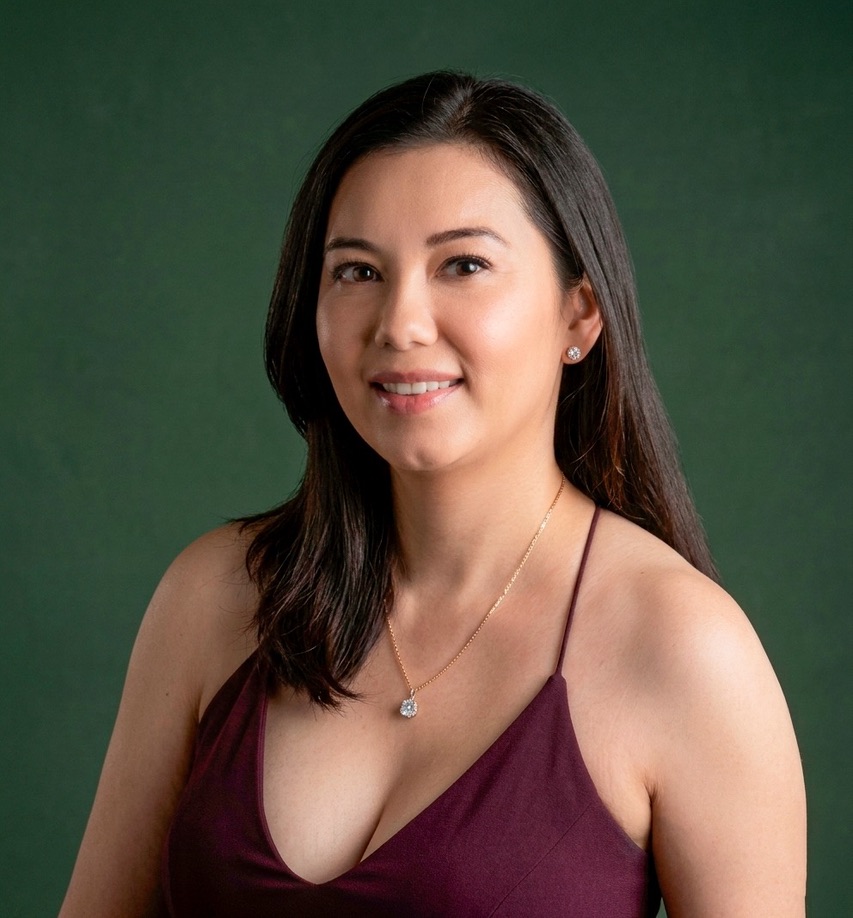
Ana Carolina Medina Castillo
September 5, 1992 – 2026 • Monterrey, MX & Arlington, TX
Registered Nurse (BSN, UT Arlington), devoted mother of Eliana, Elias, and Elaina, and beloved wife of Josue Negron. Her courage and grace continue to guide this platform to ensure no family faces neuroendocrine carcinoma alone.